
Israel Election Sees Highest Turnout Since 1981 as Netanyahu Faces Gadi Eisenkot
Israel’s election shows the highest voter turnout since 1981, with incumbent Benjamin Netanyahu and former military chief Gadi Eisenkot neck-and-neck.
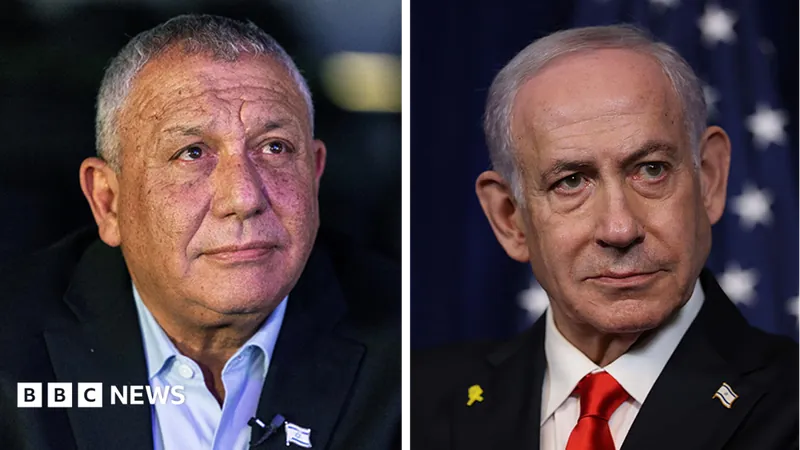
Election Turnout
Israel’s election has reached the highest voter turnout since 1981, according to polling released on Friday. The turnout figure reflects a broad public engagement in what many observers describe as a pivotal election.
Main Contestants
Incumbent Prime Minister Benjamin Netanyahu and former military chief Gadi Eisenkot are tied in the race for the premiership. Netanyahu’s coalition includes far-right and ultra-Orthodox parties, while Eisenkot leads the newly formed Yashar Party and a “change bloc” that unites parties with differing ideologies but a shared goal of removing Netanyahu from office.
Coalition Outlook
Neither political bloc is projected to secure the 61 seats required for a majority government. This suggests that coalition negotiations could extend over several weeks or months, as Israel’s proportional representation system historically produces coalition governments.
Campaign Issues
Security and democracy dominate the campaign. The opposition accuses Netanyahu of failing to prevent the 7 October Hamas attacks, which killed nearly 1,200 people and resulted in 251 hostages. They also call for an independent inquiry into the attacks and criticize Netanyahu’s judicial reform proposals. Netanyahu frames himself as “Mr Security,” citing strategic victories and a close relationship with former U.S. President Donald Trump.
Other Controversies
Netanyahu reportedly pushed for last-minute military action that could trigger a confrontation with Iran, a move opposed by his own military chief. He also posted an AI-generated image of a nuclear bomb striking Tel Aviv, warning that he is the only leader who can protect Israel if Iran acquires nuclear weapons. Eisenkot has described Netanyahu as “hysterical” in response.
Conscription and Settlements
The election also centers on conscription, with Netanyahu’s government failing to enforce a Supreme Court ruling that requires ultra-Orthodox men in full-time religious study to serve in the military. Eisenkot supports settlements in the occupied West Bank but calls for a crackdown on extremist settlers.
International Context
Israel’s continued strikes on Gaza and the high casualty figures have drawn international condemnation and strained relations with allies. The election outcome will likely influence Israel’s future diplomatic and security posture.
Source & attribution
This report is based on www.bbc.co.uk's original reporting published 27 Oct 2026. Claims attributed to officials or parties to a conflict have not been independently verified by TotalWar.live.
Editorial standards and correctionsRelated coverage
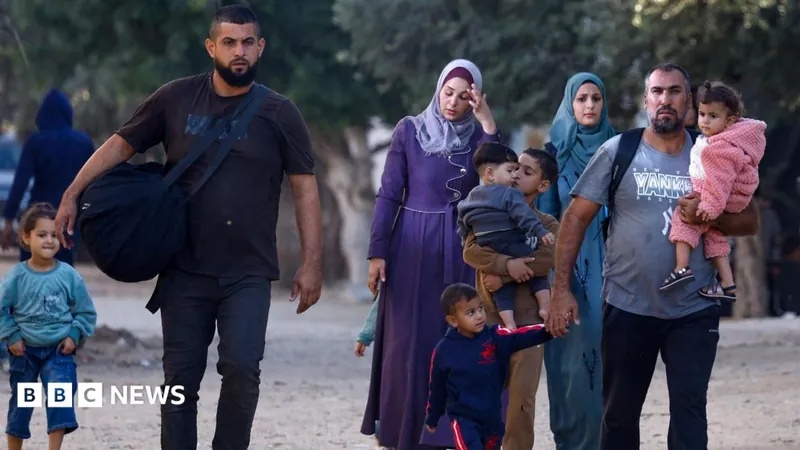
Israeli forces launch ground operation beyond Gaza’s Yellow Line
Israeli ground forces entered Gaza beyond the Yellow Line after issuing evacuation orders, claiming to target a terror tunnel.
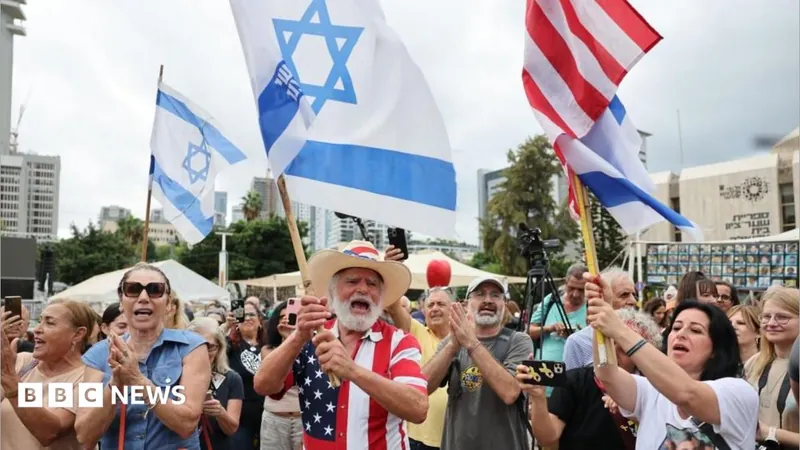
US Midterm Results Spark Fears in Israel Over Future of Two Countries' Ties
Israel worries that the 2024 US midterm election results could alter the long-standing US-Israel alliance, with potential impacts on aid and military.
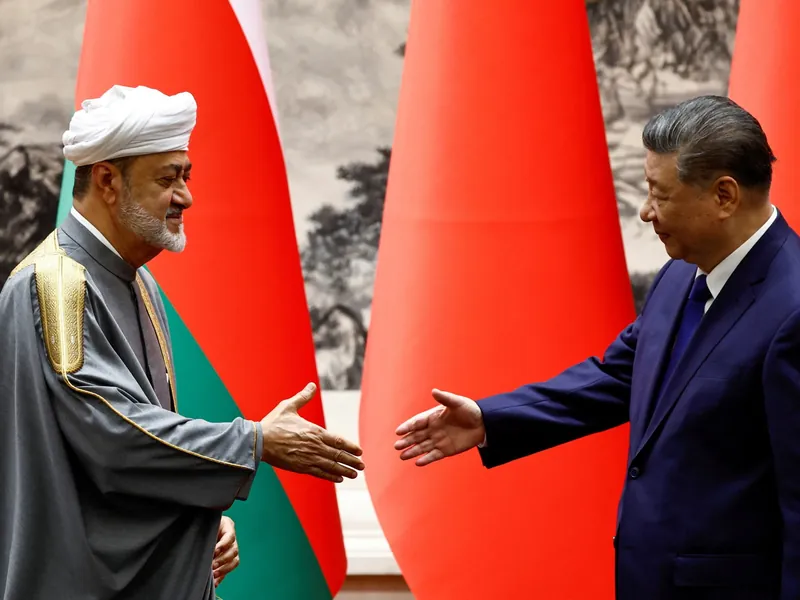
China Intensifies Middle East Diplomacy Amid US-Israel-Iran Tensions
China has increased diplomatic activity in the Middle East, meeting senior Iranian officials and hosting Oman’s first state visit since 1978.