
Israel Faces Political Deadlock After Election, New Governments Uncertain
Israel’s recent election leaves no party with a majority, prompting speculation over unity governments, Arab participation, or a fresh vote.
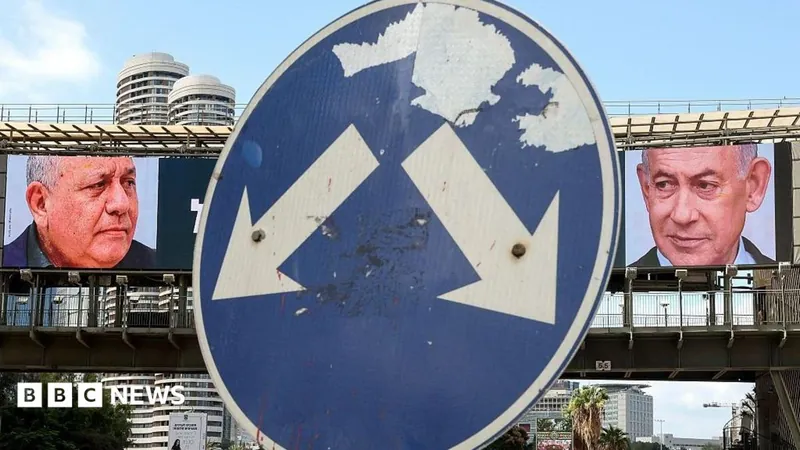
Political Deadlock After Election
Israel’s latest election has left no party with a majority, with 85% of votes counted and both Netanyahu’s Likud coalition and Gadi Eisenkot’s Yashar bloc short of the 61 seats needed for control.
Possible Scenarios
A national unity government led by Netanyahu would require Eisenkot to abandon his campaign promise of ousting Netanyahu, a move Eisenkot has publicly opposed. Netanyahu, meanwhile, has signalled a preference for a strong right-wing coalition, thanking his loyal partners and hinting at keeping ultra-orthodox allies.
An Eisenkot-led coalition that includes Arab parties would be unprecedented, as only one Arab party has ever joined a government. The Arab list and Joint List have announced support for an opposition government, but only Yair Golan from the Democrats has publicly backed this option.
A third possibility is that right-wing parties from Eisenkot’s bloc, such as Naftali Bennett’s Beyachad or Avigdor Lieberman’s Yisrael Beiteinu, might join Netanyahu’s coalition, though their hardline positions and past campaigns against him make this unlikely.
Likely Outcome
If none of these arrangements materialise, a new election is the default outcome. Netanyahu would remain caretaker Prime Minister until a new vote is held, while the high Arab turnout and the return of overseas voters could alter the political landscape in a second poll.
Source & attribution
This report is based on www.bbc.co.uk's original reporting published 28 Oct 2026. Claims attributed to officials or parties to a conflict have not been independently verified by TotalWar.live.
Editorial standards and correctionsRelated coverage
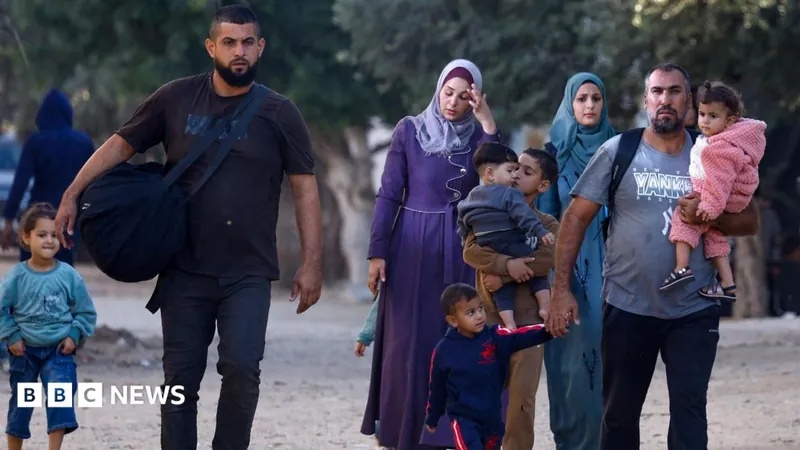
Israeli forces launch ground operation beyond Gaza’s Yellow Line
Israeli ground forces entered Gaza beyond the Yellow Line after issuing evacuation orders, claiming to target a terror tunnel.
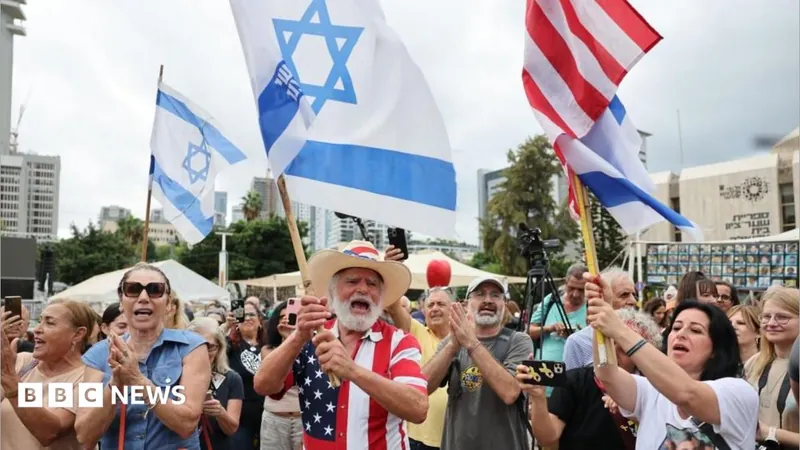
US Midterm Results Spark Fears in Israel Over Future of Two Countries' Ties
Israel worries that the 2024 US midterm election results could alter the long-standing US-Israel alliance, with potential impacts on aid and military.
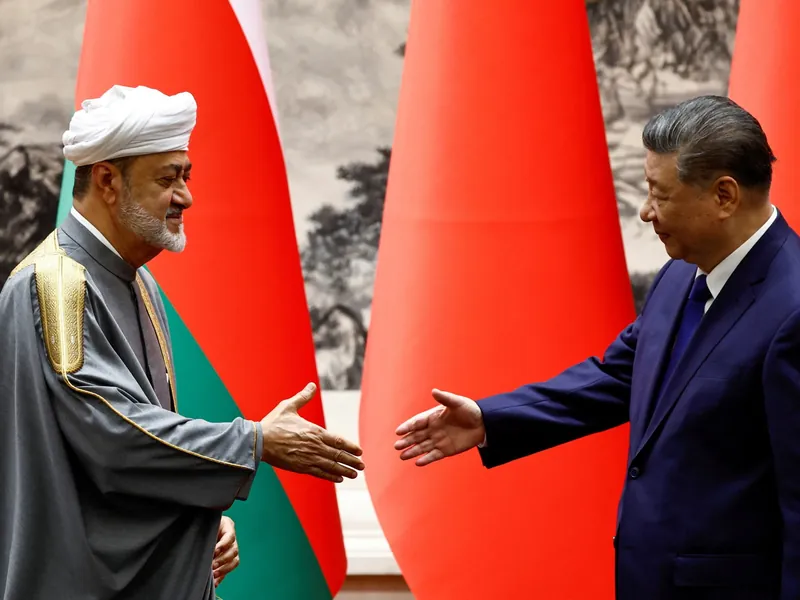
China Intensifies Middle East Diplomacy Amid US-Israel-Iran Tensions
China has increased diplomatic activity in the Middle East, meeting senior Iranian officials and hosting Oman’s first state visit since 1978.