
US diplomats ordered to leave Saudi Arabia amid Houthi attacks
The U.S. State Department has ordered some diplomats and their families to depart Saudi Arabia after a series of Houthi attacks on civilian infrastructure.
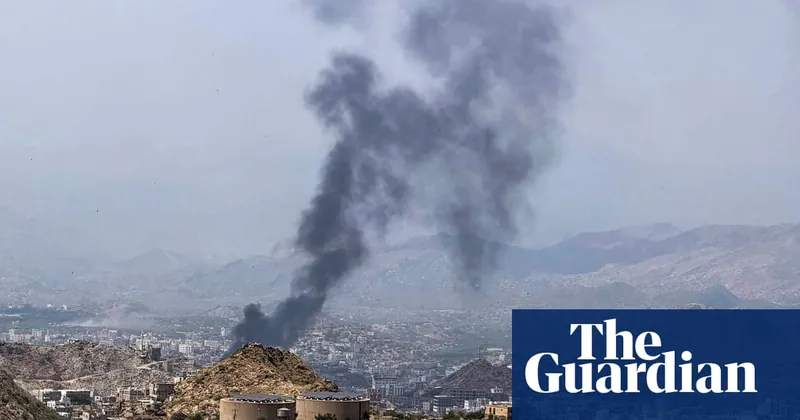
US State Department orders diplomats to leave Saudi Arabia
The U.S. State Department has instructed certain diplomats and the families of U.S. government employees to depart Saudi Arabia. The directive follows a series of Houthi attacks on civilian airports and critical infrastructure, including a strike that killed three people at an airport and an oilfield on Wednesday evening.
Scope of the withdrawal
The order applies to the U.S. embassy in Riyadh and its satellite consulates. The embassy had been operating with a skeleton staff since the start of the U.S. war on Iran and had recently seen some diplomats return. The State Department emphasized that the safety and security of personnel and their families remain its highest priority.
Context of Houthi attacks
Saudi Arabia has experienced a succession of deadly Houthi attacks in recent weeks. On Wednesday, the Saudi Civil Aviation Authority reported a fatality at King Fahad International Airport in Dammam and injuries to eight people. The Saudi energy ministry said falling debris from an intercepted drone strike killed two and injured two more. Neither attack was immediately claimed by the Houthis, but airports and oil facilities have been frequent targets.
Media reports and denial of wider withdrawals
Some media outlets, including NBC and AFP, reported that families of U.S. embassy personnel were also being withdrawn from the United Arab Emirates, Jordan, Qatar and Bahrain. The New York Times reported that the Trump administration was developing plans to restart the war on Iran. In a statement, State Department spokesperson Tommy Pigott described these reports as inaccurate and clarified that the order applied only to Saudi Arabia.
Broader U.S. presence in the Gulf
The U.S. previously ordered non-essential staff to leave the Gulf ahead of its war against Iran in late February. NBC reported that the U.S. military has been quietly scaling back its presence at bases across the Middle East, though a U.S. Central Command spokesperson said service members are regularly moved to optimize mission readiness. The withdrawal of staff from the region comes amid reports that the Trump administration has been presented with plans for restarting strikes on Iran after the midterm elections. The New York Times reported that the U.S. and Israel developed plans for a short but intensive operation, following meetings between Defense Secretary Peter Hegseth and Israeli Prime Minister Benjamin Netanyahu. The president has publicly said that he does not intend to restart the war before the 3 November elections.
Source & attribution
This report is based on www.theguardian.com's original reporting published 22 Oct 2026. Claims attributed to officials or parties to a conflict have not been independently verified by TotalWar.live.
Editorial standards and correctionsRelated coverage

Saudi-led coalition intercepts three Houthi missiles aimed at Riyadh
The Saudi-led coalition said it intercepted three ballistic missiles fired by Yemen’s Houthi rebels toward Riyadh, following a series of emergency alerts.
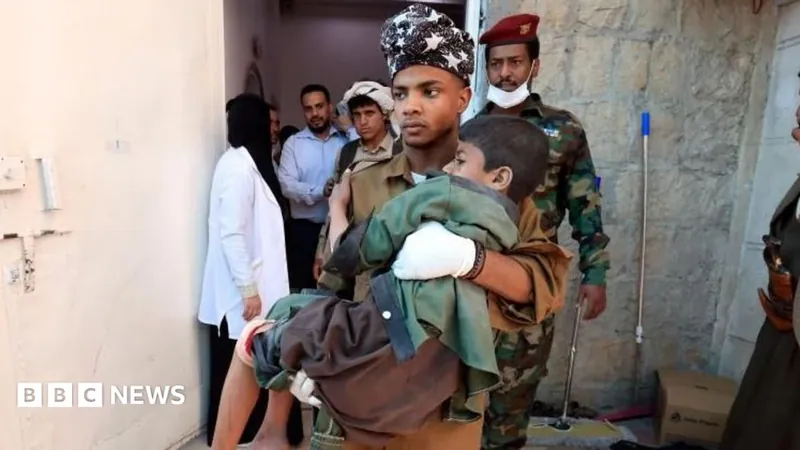
Houthis claim 33 killed in Saudi air strike
Houthis allege that a Saudi air strike on al-Shariyah town east of Sanaa killed 33 people, including women and children, with 39 injured.

Qatar proposes reopening Strait of Hormuz in exchange for Iran nuclear inspections
Qatar has offered to lift the Hormuz blockade and release frozen assets if Iran allows UN inspectors to visit its nuclear sites.